Drum Beats+ Metronome App
Skyglobe For Windows — 10 ((exclusive))
Tap the button and select "Open app" to launch the App Store app.

Tap the button and select "Open app" to launch the App Store app.
SkyGlobe, a classic planetarium program originally developed by Mark A. Haney of KlassM Software in 1989, is widely regarded as a "legendary" piece of astronomy software . While it was originally a DOS-based shareware application, a Windows version (often referred to as SG4WIN) was also released. On modern systems like Windows 10, running SkyGlobe often requires specialized setup due to its age. SkyGlobe Review for Windows 10 Performance and Speed Ultra-Fast Operation : Even decades after its release, SkyGlobe remains one of the fastest planetarium programs available. Efficiency : It is significantly smaller and less resource-intensive than modern alternatives like Stellarium, making it ideal for older hardware or users who prioritize speed over graphical fidelity. Features and Interface Core Astronomy Data : Includes roughly 25,000 stars, constellation lines, the Sun, Moon, planets, Milky Way, and Messier objects. User Interface : Features a distinct icon-based menu at the bottom left and a "goto" feature triggered by the space key. Keyboard-Centric Control : Many longtime users prefer its intuitive keyboard shortcuts, such as the arrow keys for panning, page up/down for zooming, and the 'C' key for toggling constellation lines. Compatibility on Windows 10 Native Limitation : As a vintage application from the early 1990s, the original DOS version will not run natively on 64-bit Windows 10. DOSBox Solution : To run SkyGlobe 3.6 (the popular DOS version) on Windows 10, users typically utilize , an emulator that allows vintage DOS software to function perfectly on modern operating systems. : The dedicated "SkyGlobe for Windows" version exists but may also require compatibility mode settings to function reliably on the latest Windows builds. Comparison: SkyGlobe vs. Modern Alternatives Stellarium Release Era Late 80s / Early 90s Modern (Active) Simple, fast, vintage Photorealistic 3D Resource Use Extremely low High (requires GPU) Ease of Use High (keyboard shortcuts) Moderate (complex menus) SkyGlobe remains a top-tier choice for those who value speed and simplicity over modern visual effects. It is a nostalgic powerhouse that still delivers accurate astronomical data without the bloat of contemporary software. how to set up SkyGlobe using DOSBox on your Windows 10 machine? SETI League Software Review: Skyglobe
Because SkyGlobe (especially version 3.6) was originally designed for MS-DOS , it cannot run natively on Windows 10. To use it today, you must use a DOS emulator like DOSBox . Availability : You can find original versions for download on the Internet Archive . Windows-Specific Version : A version known as SG4WIN (SkyGlobe for Windows) was also released and is sometimes found in shareware archives. Features Related to "Solid Paper" or Printing The program was noted for its speed and simplicity in plotting: Printing Support : Users often look for "solid" or clear printouts of the 25,000 stars and constellation lines for field use. SVGA Support : Later versions introduced SVGA support , providing cleaner, higher-resolution graphics that look "solid" compared to earlier low-res versions. Custom Graphics : Version 3.6 allowed users to view their own GIF graphics files within the software. Modern Alternatives If you are looking for modern software with a "solid" visual style or high-quality printing for Windows 10, these programs are widely recommended: Stellarium : A free, open-source 3D planetarium that is the most common modern replacement for SkyGlobe. SkyORB : A lightweight 3D star map available directly through the Microsoft Store . SkyGlobe : KlassM SoftWare - Internet Archive
The Skyglobe Adventure: A Journey Through the Cosmos It was a typical Wednesday evening when John stumbled upon an app that would change his life forever. While browsing through the Microsoft Store on his Windows 10 laptop, he came across "Skyglobe" - a 3D globe app that allowed users to explore the world, night sky, and even travel through time. Intrigued, John downloaded and installed Skyglobe, and as soon as he opened it, he was mesmerized by the stunning visuals and interactive features. He started by exploring the Earth, zooming in on familiar cities and landmarks, and marveling at the app's accuracy and detail. As he navigated through the app, John discovered the "Sky" mode, which transformed the globe into a stunning celestial map. He was amazed by the accuracy of the star positions, constellations, and even the planets' orbits. He spent hours exploring the night sky, identifying constellations, and learning about the mythology behind them. But Skyglobe had more surprises in store for John. He discovered the "Time Travel" feature, which allowed him to journey through history and witness significant events unfold. He traveled back to ancient Egypt during the construction of the Great Pyramid, watched as the dinosaurs roamed the Earth during the Mesozoic Era, and even visited the Moon landing site in 1969. As John continued to explore Skyglobe, he began to notice something strange. The app seemed to be suggesting personalized tours and experiences based on his interests and preferences. It was as if the app had developed a sense of intuition, guiding him through the vast expanse of space and time. One evening, as John was exploring the Martian surface, he received a notification from Skyglobe. "Get ready for a cosmic adventure," it read. "We've detected a rare astronomical event - a supernova explosion in a nearby galaxy. Witness it live, and explore the aftermath." John's excitement grew as he followed the app's instructions. He was transported to the edge of the galaxy, where he witnessed the spectacular explosion. The visuals were breathtaking, and the experience left him in awe. As the night wore on, John realized that Skyglobe had become more than just an app - it had become a gateway to the universe. He had discovered a new passion, a new way of exploring and understanding the cosmos. From that day on, John spent every spare moment with Skyglobe, exploring the vast expanse of space and time. He joined online communities, shared his discoveries with friends, and even began to plan his own astronomical adventures. The Skyglobe had opened up a new world for John, and he knew that he would never look at the universe in the same way again. Key Features of Skyglobe For Windows 10:
Explore the Earth, night sky, and planets in stunning 3D visuals Travel through time and witness significant events in history Discover personalized tours and experiences based on your interests Witness live astronomical events, such as supernovae and planetary alignments Join online communities and share your discoveries with friends Skyglobe For Windows 10
Download Skyglobe For Windows 10 today and embark on your own cosmic adventure!
SkyGlobe is a classic MS-DOS-based astronomy program first released in the late 1980s by Mark A. Haney. While it was not originally designed for modern operating systems, it remains a nostalgic favorite for amateur astronomers due to its simplicity, speed, and charm. Running SkyGlobe on Windows 10 requires a bit of technical workaround, as the 64-bit architecture of modern Windows cannot natively execute 16-bit DOS applications. What is SkyGlobe? SkyGlobe was one of the first "planetarium" software packages accessible to home computer users. It allows users to: Visualize the Night Sky: View over 25,000 stars and deep-sky objects. Time Travel: View the position of celestial bodies from 30,000 BC to 30,000 AD. Locate Planets: Track the movement of the sun, moon, and planets in real-time. Custom Coordinates: Set your specific latitude and longitude to see the sky from your backyard. 🛠️ How to Run SkyGlobe on Windows 10 To get this "abandonware" classic running on a modern machine, you must use a DOS emulator. The most common and reliable method is using Step 1: Download the Software You can find the original shareware files on various classic software or "abandonware" archives. Download the latest version of the DOSBox emulator from its official website. Step 2: Installation and Setup Extract SkyGlobe: Create a folder on your drive (e.g., C:\OldGames\SkyGlobe ) and extract the files there. Launch DOSBox: Open the emulator. Mount the Drive: mount c c:\oldgames and press Enter. to switch to the virtual drive, then cd skyglobe skyglob.exe (or the relevant name) to start the program. ✨ Features and Limitations Minimalist Design: No bloatware; it runs instantly once configured. Educational Value: Great for learning basic constellations and stellar movement. Retro Aesthetic: Uses classic VGA graphics that evoke 90s nostalgia. Outdated Database: Modern software like Stellarium has much larger and more accurate star catalogs. No Native Mouse Support: In many configurations, you must rely entirely on keyboard shortcuts. Setup Barrier: Requires manual configuration through DOSBox. 🚀 Modern Alternatives If the technical setup of SkyGlobe feels too cumbersome, several modern (and free) programs offer significantly more detail and native Windows 10 support: Stellarium: The gold standard for free, open-source planetariums. Microsoft WorldWide Telescope: A powerful, data-heavy visualization tool. A popular mobile-first app often used on tablets. If you'd like to proceed with this write-up, I can help you: Draft a step-by-step tutorial with specific DOSBox commands. Compare SkyGlobe's accuracy to modern software like Stellarium. Find the specific keyboard shortcuts needed to navigate the classic interface. How would you like to refine this draft
SkyGlobe was originally a classic astronomy program for MS-DOS and early Windows, but you can still run it on Windows 10 using a DOS emulator like Core Features of SkyGlobe SkyGlobe is designed to be a fast and easy-to-use "planetarium" simulation. Key features include: Celestial Mapping: Plots the positions of 25,000 stars, the Sun, the Moon, all planets, the Milky Way, and Messier objects. Real-time & Time Travel: You can view the sky in real-time or animate time changes over centuries or millennia to observe celestial precession. Search & Center: A search function allows you to find specific objects; if an object is below the horizon but will rise within 24 hours, the software will automatically adjust the time to show it. User Customization: You can adjust the observer's location, viewing direction, and the number of objects rendered. Interactive Controls: Supports mouse control for re-centering and "locking" onto objects, along with convenient keyboard command keys. SVGA Support: Versions like SkyGlobe 4.0 include SVGA image support for improved visual quality. Running on Windows 10 Because it is a legacy 16-bit application, it will not run natively on 64-bit Windows 10. To use it: Download a version (like SkyGlobe 3.6 ) from the Internet Archive or a similar emulator. Mount the SkyGlobe folder in the emulator to launch the Modern Alternatives for Windows 10 If you are looking for more modern native features (like 3D star maps or telescope control), consider these alternatives available on the Microsoft Store A lightweight app featuring 3D star maps, notifications for upcoming astronomy events, and 4K display support. Includes almanacs, International Space Station (ISS) pass predictions, and lunar/solar eclipse dates. Stellarium: A highly realistic, hyper-detailed freeware that supports telescope control and high-definition atmospheric effects. BBC Sky at Night Magazine step-by-step instructions on setting up SkyGlobe in DOSBox for your PC? Skyglobe 3.6 Free Download - Facebook On modern systems like Windows 10, running SkyGlobe
Title: SkyGlobe for Windows 10: Reliving the Golden Age of Astronomy Software Introduction Long before sophisticated planetarium suites like Stellarium or Starry Night occupied our hard drives, there was SkyGlobe . Originally developed by Mark A. Haney in the late 1980s and early 90s, SkyGlobe was a marvel of efficient programming. It fit a comprehensive database of stars, planets, and Messier objects into a tiny package, running smoothly on DOS and early Windows machines. For astronomy enthusiasts who grew up in that era, SkyGlobe holds a special nostalgic charm. Its simple red-on-black interface, instant keyboard controls, and fast rendering make it a unique tool even today. However, running SkyGlobe on Windows 10 isn't as simple as double-clicking an executable. This guide covers how to bring this classic back to life on your modern PC. Why Use SkyGlobe Today? With modern 3D star maps available for free, why bother with a 30-year-old program?
Nostalgia: For many, it is the "Super Mario Bros." of astronomy software. It brings back the feeling of early computing and the wonder of the digital frontier. Speed and Simplicity: SkyGlobe has zero loading times. It opens instantly. There are no complex menus to navigate; you press a letter key (like 'N' for North or 'T' to trace), and it happens immediately. Education: It is a fantastic tool for teaching the basics of celestial coordinates without the distraction of photorealistic landscapes. Lightweight: It requires almost zero system resources. You could run it on a toaster if the toaster had a CPU.
The Challenge: Windows 10 Compatibility SkyGlobe was written for MS-DOS . Modern Windows 10 (and Windows 11) is a 64-bit operating system that cannot natively run 16-bit DOS applications. If you try to run the original .exe file, you will likely receive a compatibility error. How to Run SkyGlobe on Windows 10 To get SkyGlobe working on a modern Windows 10 machine, you have two main options: Option 1: DOSBox (The Best Method) DOSBox is a free, open-source emulator designed specifically to run old DOS games and applications. Features and Interface Core Astronomy Data : Includes
Download DOSBox: Go to the official DOSBox website and download the version for Windows. Download SkyGlobe: You will need to find the SkyGlobe files (often available on legacy software archives or abandonware sites). Look for SkyGlb21 (version 2.1) or SkyGlb3 (version 3.6). Extract the Files: Create a folder on your C: drive named OLDGAMES and place the SkyGlobe files inside. Mount the Drive:
Open DOSBox. Type mount c c:\oldgames and hit Enter. Type c: and hit Enter. Type skyglobe.exe and hit Enter.
Perfect for the practicing musician or aspiring songwriter, Drum Beats+ is a game-changer! Our handy beat machine has one function - PLAY! No programming required and no annoying tick-tick. Now you can improve your rhythm and timing while staying musically inspired - no matter what instrument you play. Save favorites with a tap, change tempo in a snap, and roll the dice for a random beat. Enjoy tons of real, high-quality drum beats performed by a REAL drummer.
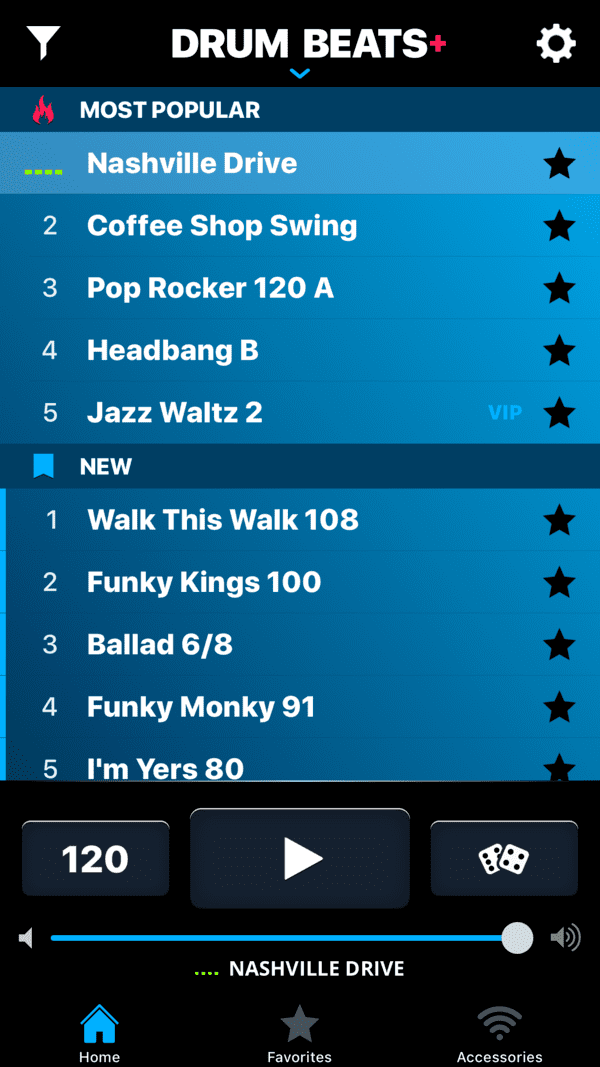
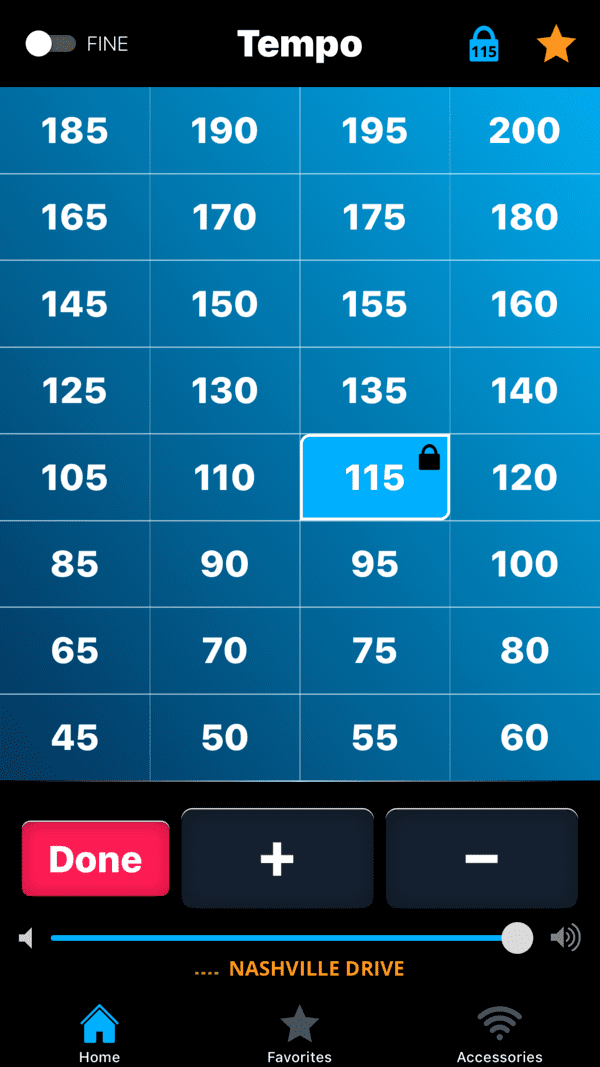
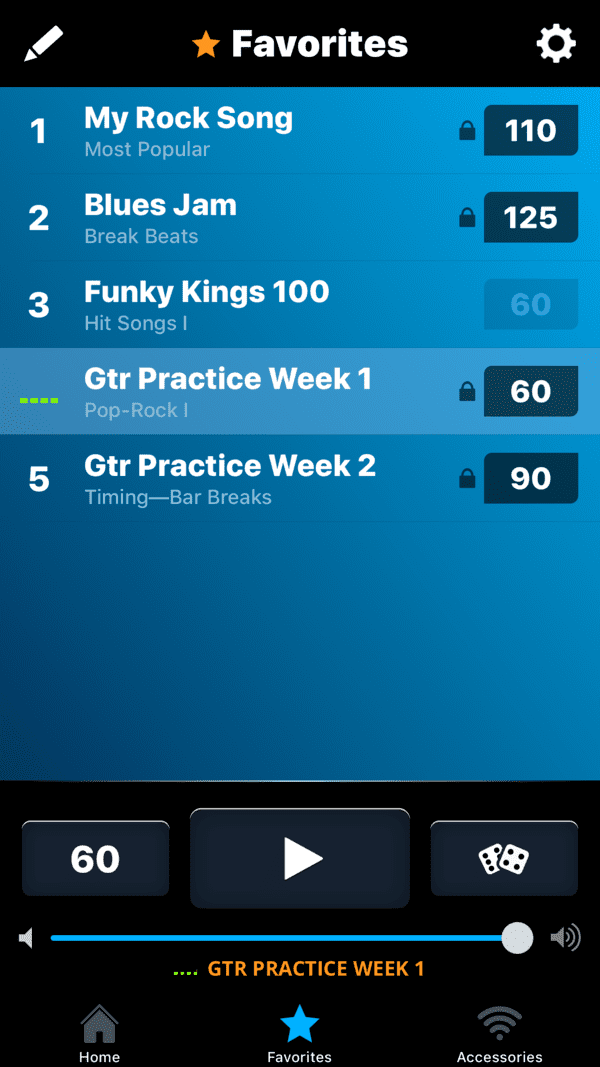
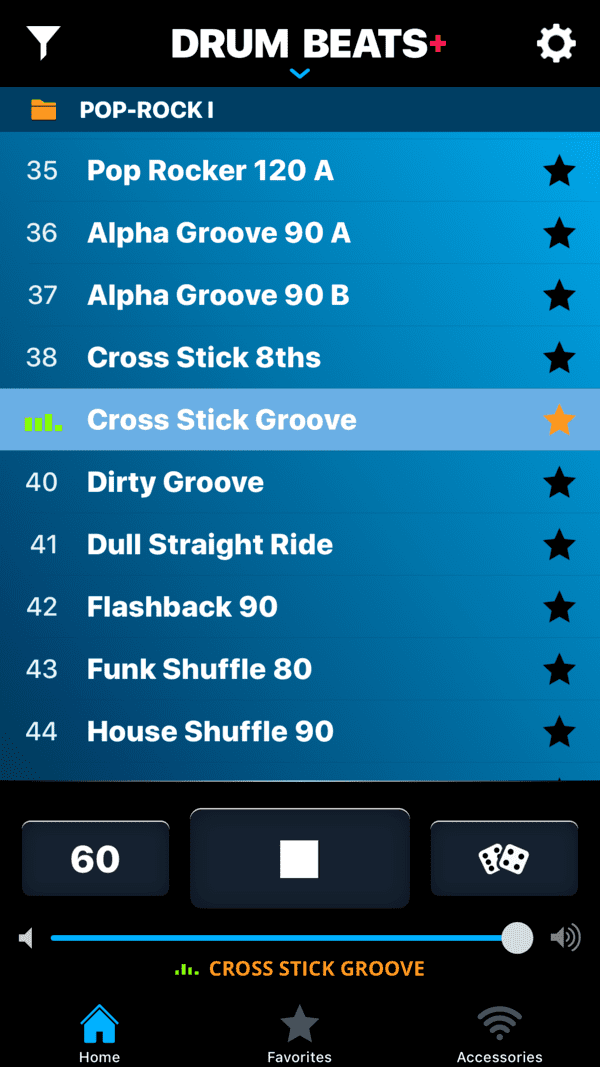
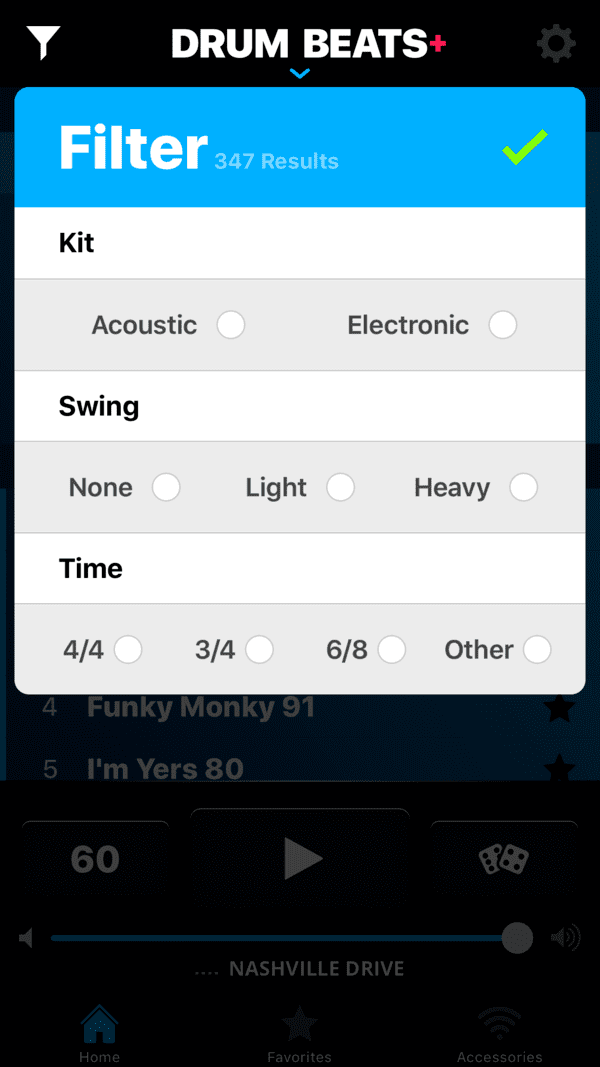
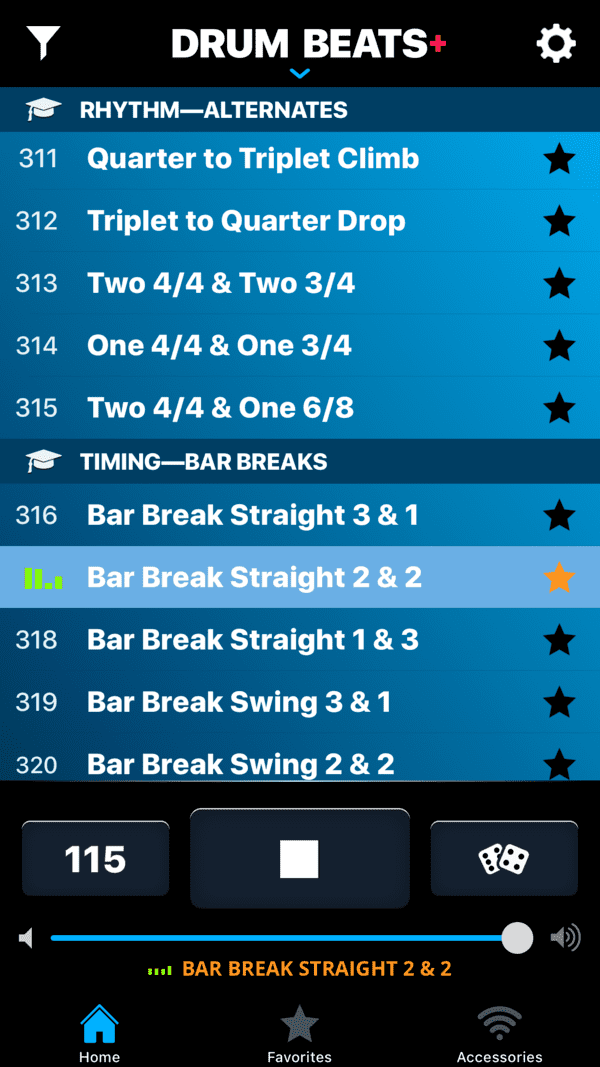
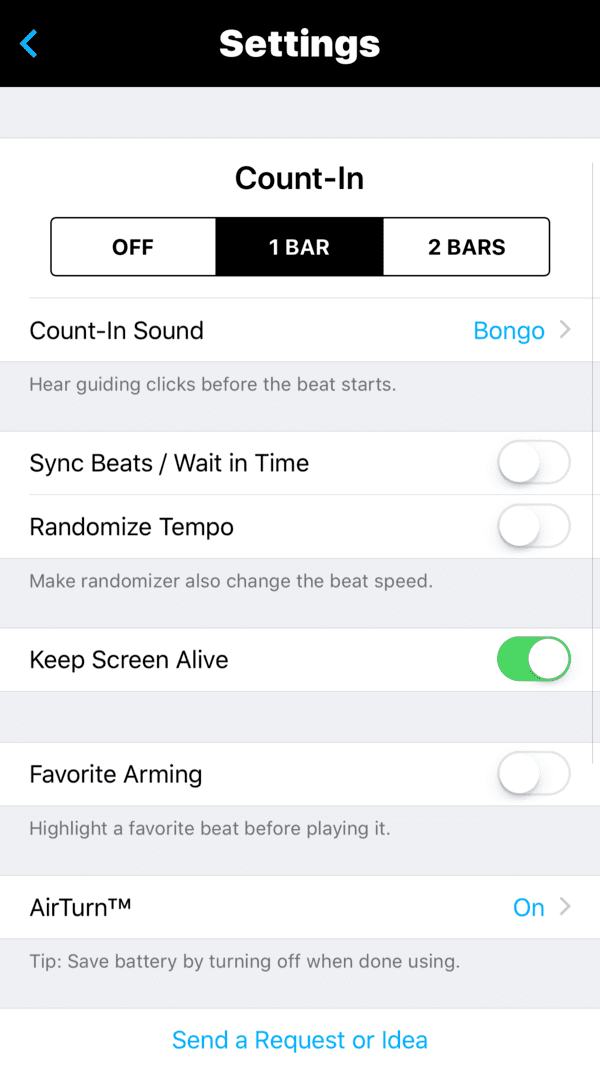
Rolling Stone Magazine called this app 'a proper replacement for your deadbeat drummer,' but it's even more than that.
Drum Beats+ is your ultimate musical companion, providing inspiration and dutiful drumming at your command. Join musicians and teachers worldwide who rely on its simplicity and unbeatable value.
With 6,350 five-star ratings (and counting), Drum Beats+ is the trusted tool musicians count on. Say goodbye to mundane metronomes, programming beats or waiting around for whatever-his-name-is to show up. Drum Beats+ empowers you to create, practice, and spend more time in the moment. Supercharge your musical journey today!