The song was born from a collaboration of three masters of their craft:
**කාව්යාගේ නළල දුටුවට පස්සෙ...
She walked out into the pitch-black courtyard. The Demon hovered above, waiting for the humans to perish in fear.
Refers to the god of wealth. The lyrics mock a world where money is valued over human virtue, asking what use education or morality is in a world that only respects riches. Social Protest:
The word Kumari (කුමාරි) in Sinhala culture carries more weight than its literal translation of "princess" or "young girl." In the context of folk song ( Jana Kavi ) and village lore, the Kumari represents the threshold of adulthood. She is the embodiment of unspoiled nature, innocence, and potential. She is often the subject of the kumari geetaya (maiden songs), where she is depicted plucking flowers, fetching water, or waiting by the paddy field. This figure stands in contrast to the complexities of adult life, serving as a muse for the folk poet who laments the fleeting nature of youth.
Potential names: Kumari Bambasara Hadu Da Sinhala could be a title that suggests the main characters and the setting. Maybe "Bambasara" is a village named after a sacred tree or a historical figure.
Need to avoid stereotypes and present a respectful, authentic portrayal. Perhaps include Sinhala dialogue in the story for flavor, but with translations.

 Automation Systems
  Motion & Power Solutions
  Safety, Vision and IDENT
  Sensing Solutions
  Control Components
  Switching & Accessories
  Switchgear and Trolley Systems
  Process Weighing
  LED Lighting
  Omron
Omron
 Mitsubishi
 Delta
Delta
 Autonics
 Inno
Inno
 Panasonic
 Novotechnik
 Orientalmotor
 Microscan
 IPA
IPA
 Technomech
 Intech
 Honeywell
 IOT & Traceability
 Project & Panel Engg.
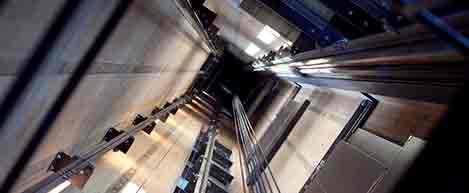 Application Case Studies
 Solutions by Industry
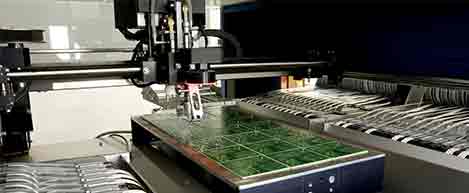 Solutions by Process
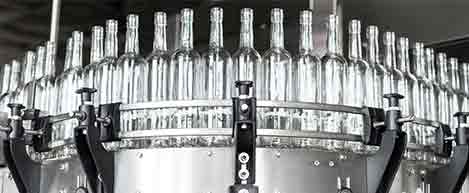 Solutions by Product
 Youtube Videos
 Corporate Information
 Company Profile
 Quality Policy
 Mission Statement
 Chairman's Message
 Intech Group Companies