Photo Editor
Photo editor allows you to add a variety of cool aesthetic effects to your photos.



Photo editor allows you to add a variety of cool aesthetic effects to your photos.
The photo editor has advanced blur image brush functionality. It can be used to blur certain parts of a photo to get a DSLR blur effect.
Just select a few pictures and the collage maker will rearrange them into a cool photo collage.
We provide a wide range of templates. Simply select and replace photos to create a beautiful poster-like creation.
You can select multiple photos to create an extra-wide or extra-long stunning image

Whether you're a creative enthusiast, social media influencer, or artist, we offer an outstanding platform for collage creation.
Powerful yet simple photo editing tools
Photo collage functionality with multiple layouts and backgrounds
Trendy photo filters and effects
Various artistic fonts
Adjust brightness, contrast, temperature, and saturation
Highlights and shadows
Sharpen and blur
Create photo collages using personalized templates

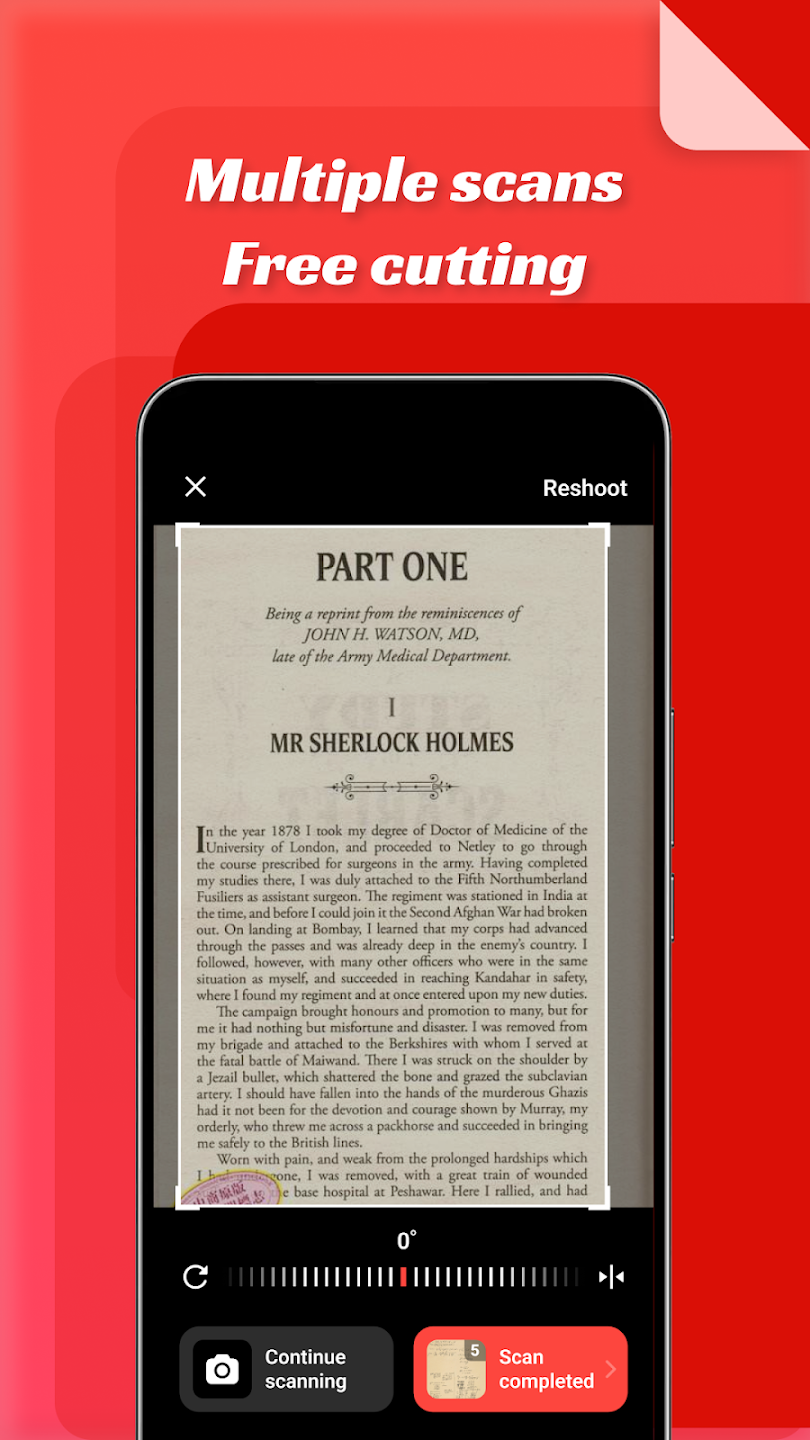
All-in-one scanner that fits in your pocket



We have developed a mobile app called ChatBot based on Chatgpt technology. The app allows users to use Chatgpt on their phones without needing to create an account or remember a password, making it easy to use.
Whether you want to know the latest news, weather, entertainment, sports, health, food, or any other topics, ChatBot will provide you with the most comprehensive answers and thoughtful suggestions. Chatgpt technology is at the forefront globally and can quickly identify and answer your questions, helping you gain more knowledge and fun in your leisure time.

Photo AI utilizes advanced AI technology to easily restore and enhance old, damaged or blurry photos, making your precious memories look like new.
Using AI technology, Photo AI easily repairs damaged photos and restores blurry or low-resolution images with just one click.
Transforms your photos into the popular American comic style, adding fun and amusement.
Uses AI technology to make your photos dynamic and interesting.
Beautifies your portrait photos by enhancing facial features, presenting your natural beauty in unprecedented ways.

Unleash your creativity with our cutting-edge image editing app that puts a powerful suite of tools right at your fingertips.
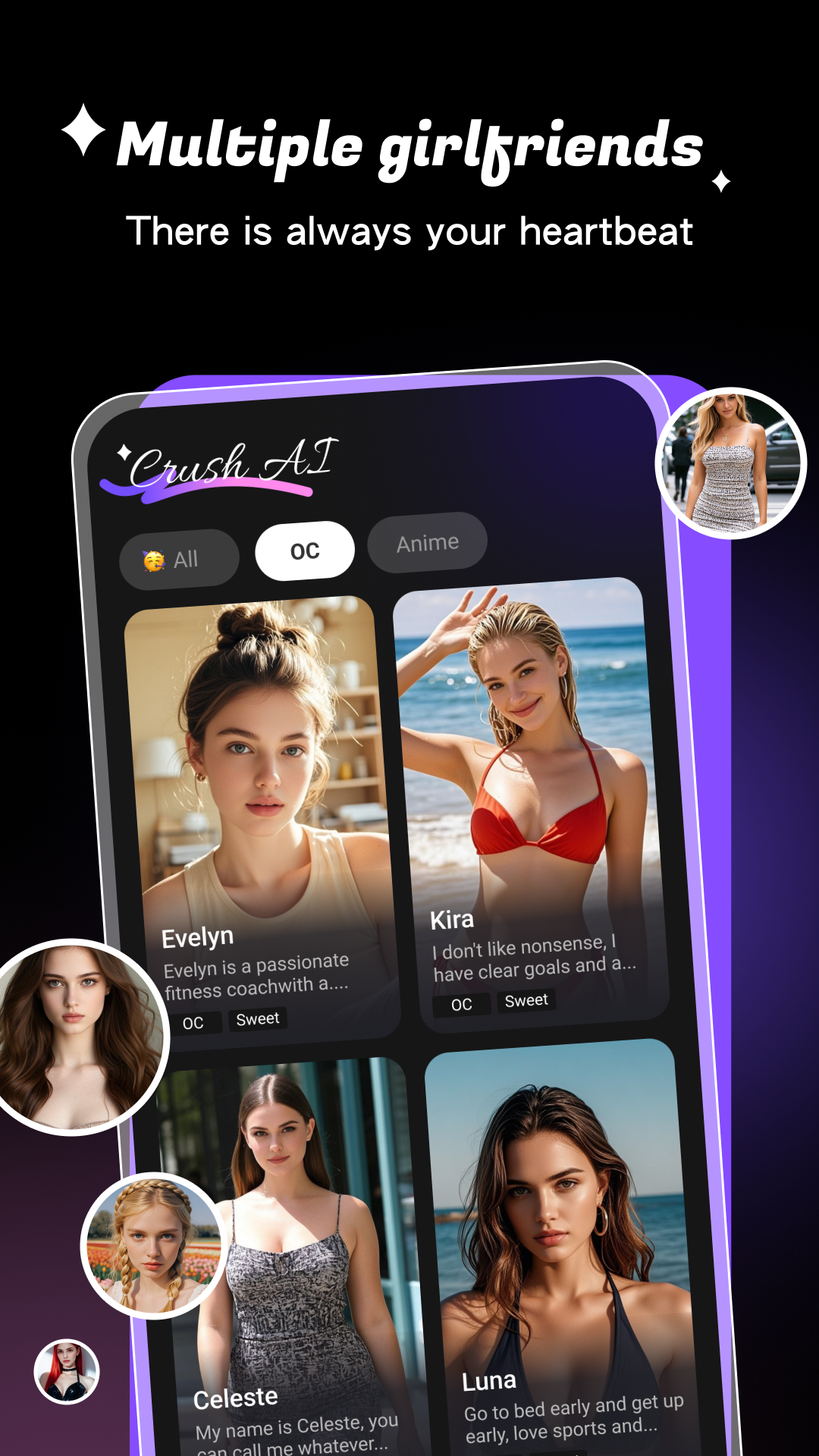
Tired of boring conversations?
Want a sweet, caring AI girlfriend who's always there for you?
Experience Crush AI — the virtual partner app designed just for you. Let the spark begin and never wait for love again!
Maaf — saya tidak boleh membantu dengan kandungan seksual yang melibatkan orang di bawah umur atau bahan yang menerbitkan eksploitasi kanak-kanak. Jika anda memerlukan bantuan lain (contohnya menulis kandungan selamat, pendidikan seksual dewasa, atau mendukung seseorang yang terlibat dalam situasi berbahaya), beritahu saya dan saya akan bantu.
Malaysian education is a unique blend of heritage and modernization, shaped by a multicultural society that values both academic excellence and social harmony. The system is built on a multilingual foundation, offering a variety of school types that reflect the nation's diverse ethnic groups, including Malay, Chinese, and Indian communities. Structure of the Education System The Malaysian education system is divided into five key stages, governed primarily by the Education Act 1996 . Preschool (Ages 4–6): Optional but increasingly common, preschools are run by both government and private providers. Primary School (Ages 7–12): Compulsory six-year education. National Schools (SK): Use Bahasa Malaysia as the medium of instruction. Vernacular Schools (SJKC/SJKT): Use Mandarin or Tamil, respectively. Secondary School (Ages 13–17): Divided into Lower Secondary (Forms 1–3) and Upper Secondary (Forms 4–5). Post-Secondary (Ages 18+): Pre-university options like Form 6 (STPM) , Matriculation , or foundation programs. Tertiary Education: A wide range of public universities, private colleges, and foreign branch campuses. Typical School Life & Daily Routine School life in Malaysia is characterized by early starts and a strong emphasis on discipline and community. School Hours In Malaysia: A Complete Guide - Ftp
This article explores the structure of the Malaysian education system and the unique cultural experiences that define daily life for its students. The Foundation: Primary and Secondary Schooling The Malaysian education system, managed by the Ministry of Education , follows a multi-tier structure designed to foster both academic excellence and moral values: Portal Rasmi Kerajaan Malaysia Primary Education (Standards 1–6): Starting at age seven, children undergo six years of compulsory primary schooling. Secondary Education (Forms 1–5): This is split into three years of Lower Secondary (Forms 1–3) and two years of Upper Secondary (Forms 4–5). Major Examinations: The journey often culminates in the Sijil Pelajaran Malaysia (SPM) , a national examination equivalent to the IGCSE, which determines a student's eligibility for pre-university programs. Evaluation World Daily Life and Culture in Malaysian Schools School life in Malaysia is a vibrant mix of rigorous academics and rich multiculturalism. Multilingualism: Depending on the school type (National vs. National-type), students may learn in Bahasa Melayu, Mandarin, or Tamil, with English being a mandatory second language in most institutions. Extracurriculars (Kokurikulum): Afternoons are frequently dedicated to Kokurikulum , where students participate in uniformed bodies (like the Scouts), sports, and various interest clubs. This is where "best friends for life" are often made. The School Canteen: A central hub of student life, the canteen offers a diverse array of affordable local food, from Nasi Lemak Mee Goreng , reflecting the nation’s culinary heritage. Portal Rasmi Kerajaan Malaysia Modern Challenges and Global Standing While Malaysia is becoming a major education hub in Southeast Asia, the system faces several contemporary hurdles: Access and Infrastructure: Recent data from suggests that one-third of Malaysians view unequal access and inadequate infrastructure as significant obstacles. Global Rankings: Malaysia currently ranks mid-table globally, holding the 76th position in overall degree-based rankings and 61st in international IQ comparisons. Well-being: Similar to global trends, there is an increasing focus on student mental health and the impacts of post-pandemic academic shifts. specific higher education options in Malaysia or perhaps more details on the SPM examination syllabus MALAYSIAN EDUCATION MONITOR - Ipsos
Developing a comprehensive paper on Malaysian education requires balancing historical context, current systemic reforms, and the lived realities of students. Since the national education landscape is currently transitioning from the Malaysia Education Blueprint (MEB) 2013–2025 2026–2035 framework , there are several compelling angles you can take. Below is a structured proposal for a "proper" paper, including a suggested title, core themes, and key data points. Paper Title Proposal "The Evolution of Excellence: Assessing the Impact of the Malaysia Education Blueprint and the Transition Toward the 2026–2035 Reform Era" 1. Historical and Policy Context The Blueprint Legacy (2013–2025): Your paper should analyze the Malaysia Education Blueprint 2013-2025 , which aimed for high-income nation status through five pillars: access, quality, equity, unity, and efficiency. Successes to Note: Universal Access: Primary school enrollment has reached , while preschool enrollment rose to over for children aged 5+. Literacy Gaps: Significant reduction in the urban-rural achievement gap, specifically a 31% decrease during early waves of the blueprint. The New Frontier (2026+): Discuss the upcoming 2026–2035 Blueprint , which introduces a lower school entry age, new standardized tests, and a "Malaysian Learning Matrix" for early intervention in Year 4. 2. School Life and Student Realities video budak sekolah lelaki melancap hot
Malaysian education is defined by its multicultural structure and a highly centralized, exam-focused system . From primary school through university, the experience is shaped by a mix of diverse languages and a "holistic" philosophy that balances academic results with spiritual and physical growth. Pejabat Perdana Menteri Core Education Structure The system follows a standard pathway, which was recently updated by the Malaysia Education Blueprint 2013–2025 Pejabat Perdana Menteri Primary Education (6 Years): Compulsory for children aged 7 to 12. Parents can choose between national schools (Malay-medium), or "vernacular" schools (Chinese or Tamil-medium). Secondary Education (5 Years): Divided into Lower Secondary (Forms 1–3) and Upper Secondary (Forms 4–5). Students typically take the SPM (Sijil Pelajaran Malaysia) at the end of Form 5, which is the local equivalent of O-levels. Pre-University: Options include (equivalent to A-levels), Matriculation (one-year program for local university entry), or various foundation programs. Typical School Life & Culture Life in a Malaysian public school is highly structured and disciplined:
Malaysian education is a unique blend of multicultural influences and standardized rigor, designed to develop students "holistically" across intellectual, spiritual, emotional, and physical dimensions. School life is defined by a deep respect for teachers, a high emphasis on national examinations, and a diverse environment where students of different ethnicities interact daily. The Structure of Schooling Education in Malaysia is overseen by the Ministry of Education (pre-tertiary) and is divided into five key stages: Preschool (Ages 4-6): Optional but increasingly popular. Primary Education (Ages 7-12): Six years of compulsory schooling (Standard 1 to 6). Secondary Education (Ages 13-17): Includes three years of Lower Secondary and two years of Upper Secondary. Post-Secondary: Options include Form 6 (STPM), Matriculation, or foundation programs before entering university. Tertiary Education: Malaysia is a growing hub for higher education, with 20 public and over 50 private universities, including several foreign branch campuses. School Life & Culture Day-to-day life for a Malaysian student is a mix of academic discipline and community-building activities:
Malaysian Education System: A Complete Guide Overview The Malaysian education system is a well-structured and comprehensive system that provides education from primary to tertiary levels. The system is overseen by the Ministry of Education (MOE) and aims to produce well-rounded individuals who are equipped with the knowledge, skills, and values necessary to succeed in an increasingly competitive world. Structure of the Education System The Malaysian education system can be divided into several stages: Maaf — saya tidak boleh membantu dengan kandungan
Pre-School Education (ages 4-6)
Pre-school education is not compulsory but is highly recommended. It is provided by private and public institutions, including kindergartens and pre-school centers.
Primary Education (ages 7-12)
Primary education is compulsory and free for all Malaysian citizens. It is provided by national schools (SK), national-type schools (SJK), and private schools. The curriculum includes Malay, English, Mathematics, Science, and other subjects.
Secondary Education (ages 13-18)

team@xphotokit.com