
Estimate exponent: π√(2·805/3) = π√(1610/3) ≈ π√(536.6667) ≈ π·23.169 ≈ 72.78. Thus p(805) is on the order of e^72.78 ≈ 1.79×10^31, scaled by 1/(4·805·√3) ≈ 1/(3220·1.732) ≈ 1/(5578) ≈ 1.79×10^−4, so p(805) ≈ 1.79×10^31·1.79×10^−4 ≈ 3.2×10^27.
# Use Python's big ints def partitions_p(N): p = [0]*(N+1) p[0] = 1 for n in range(1, N+1): total = 0 k = 1 while True: g1 = k*(3*k-1)//2 g2 = k*(3*k+1)//2 if g1 > n and g2 > n: break if g1 <= n: total += (1 if k%2==1 else -1) * p[n-g1] if g2 <= n: total += (1 if k%2==1 else -1) * p[n-g2] k += 1 p[n] = total return p
If you’re managing a mixed environment of old and new machines, having a reliable “fallback” partitioner in your toolkit can save you from pulling out a fresh Windows install every time.
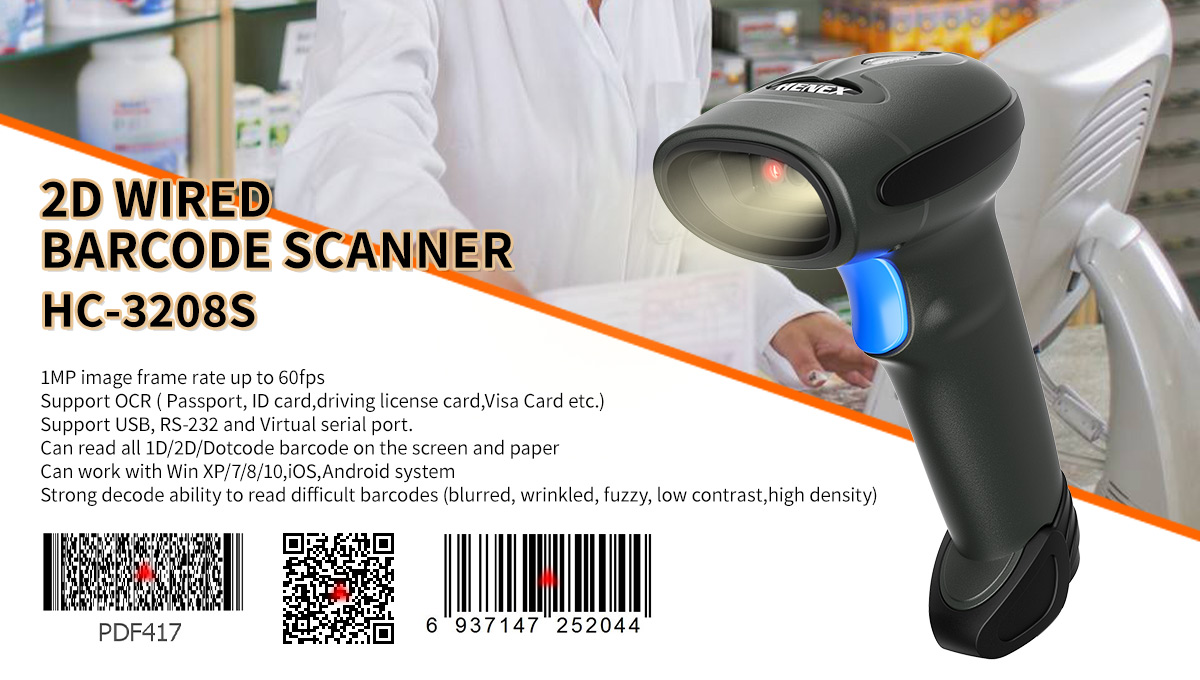
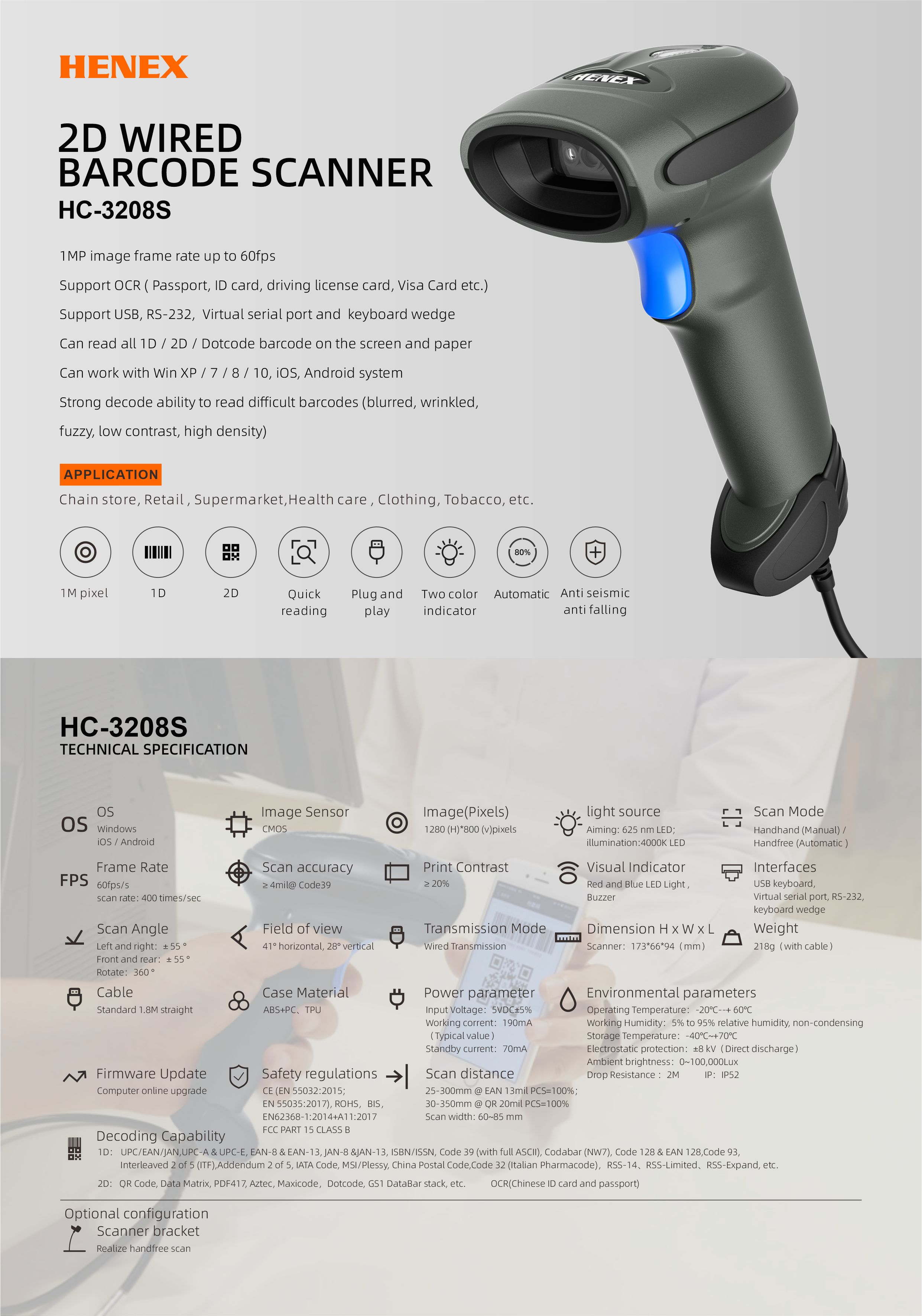
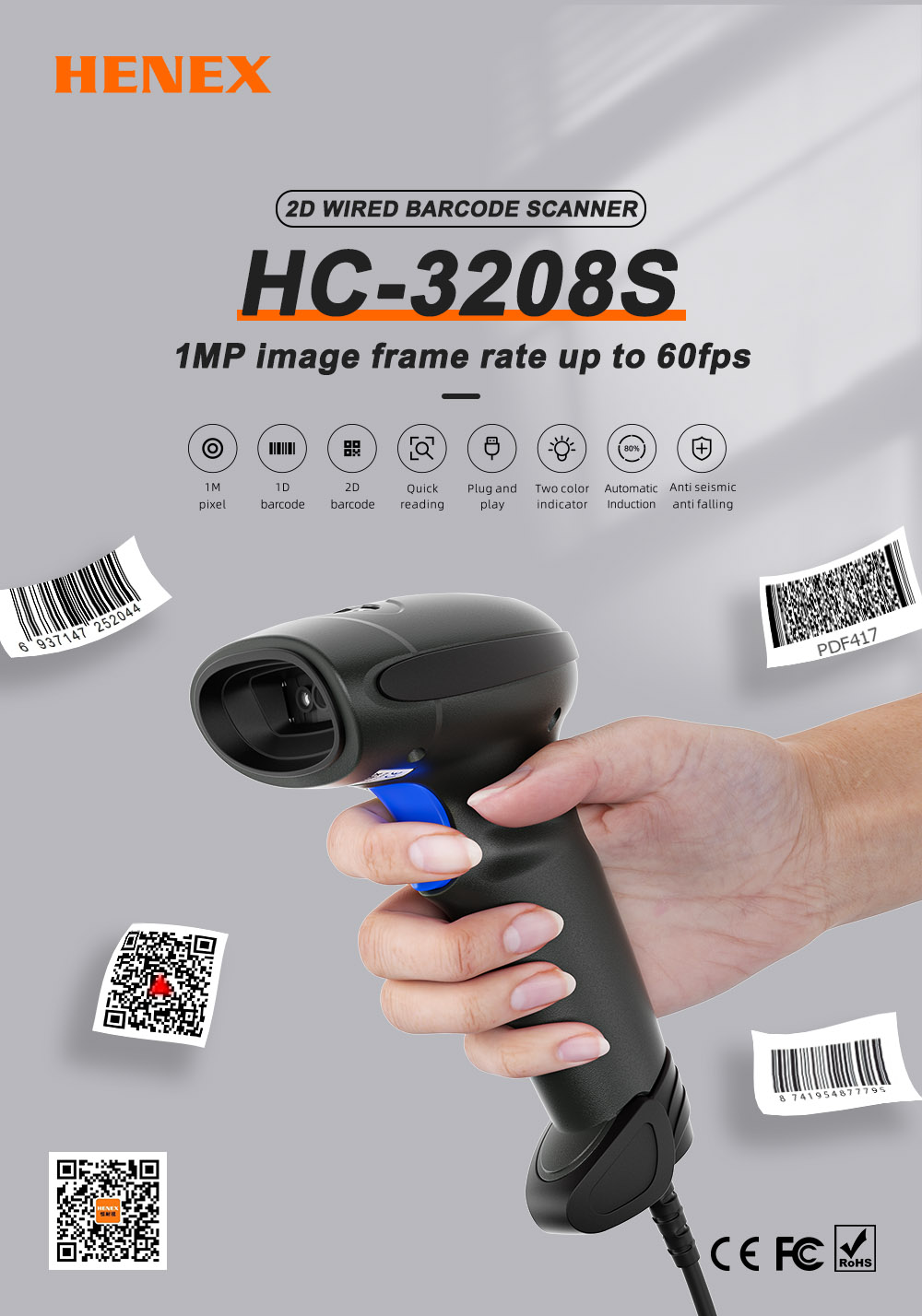
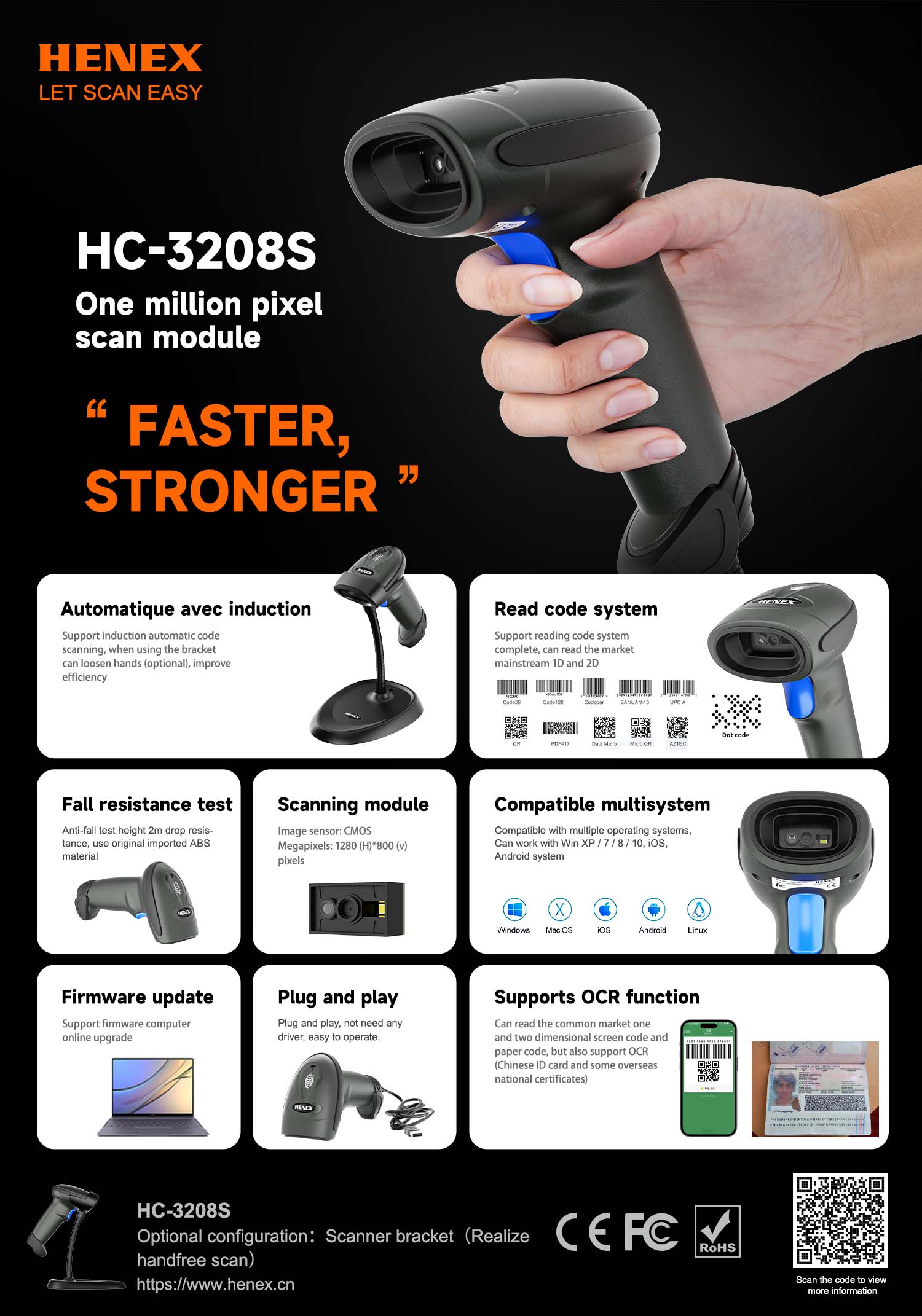
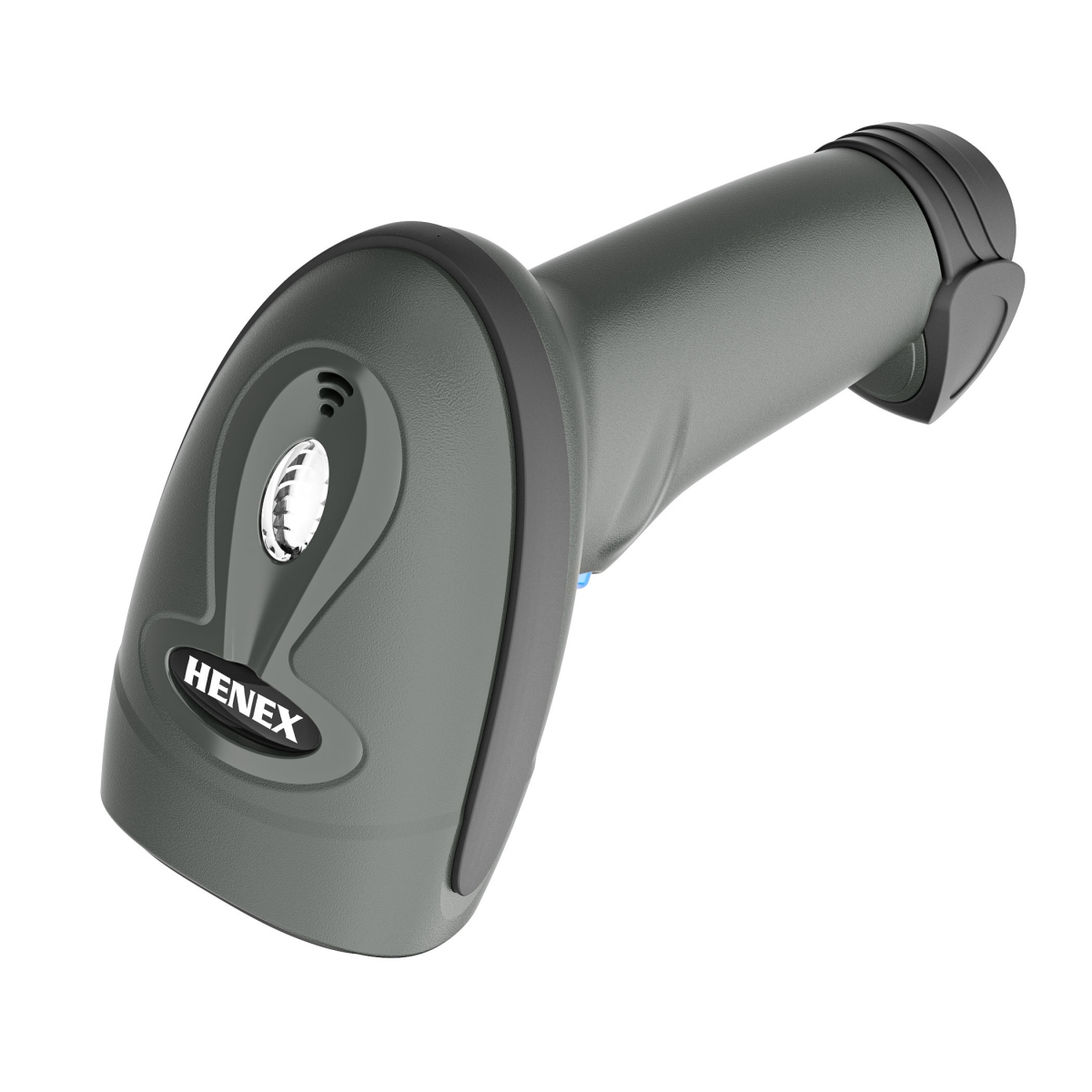
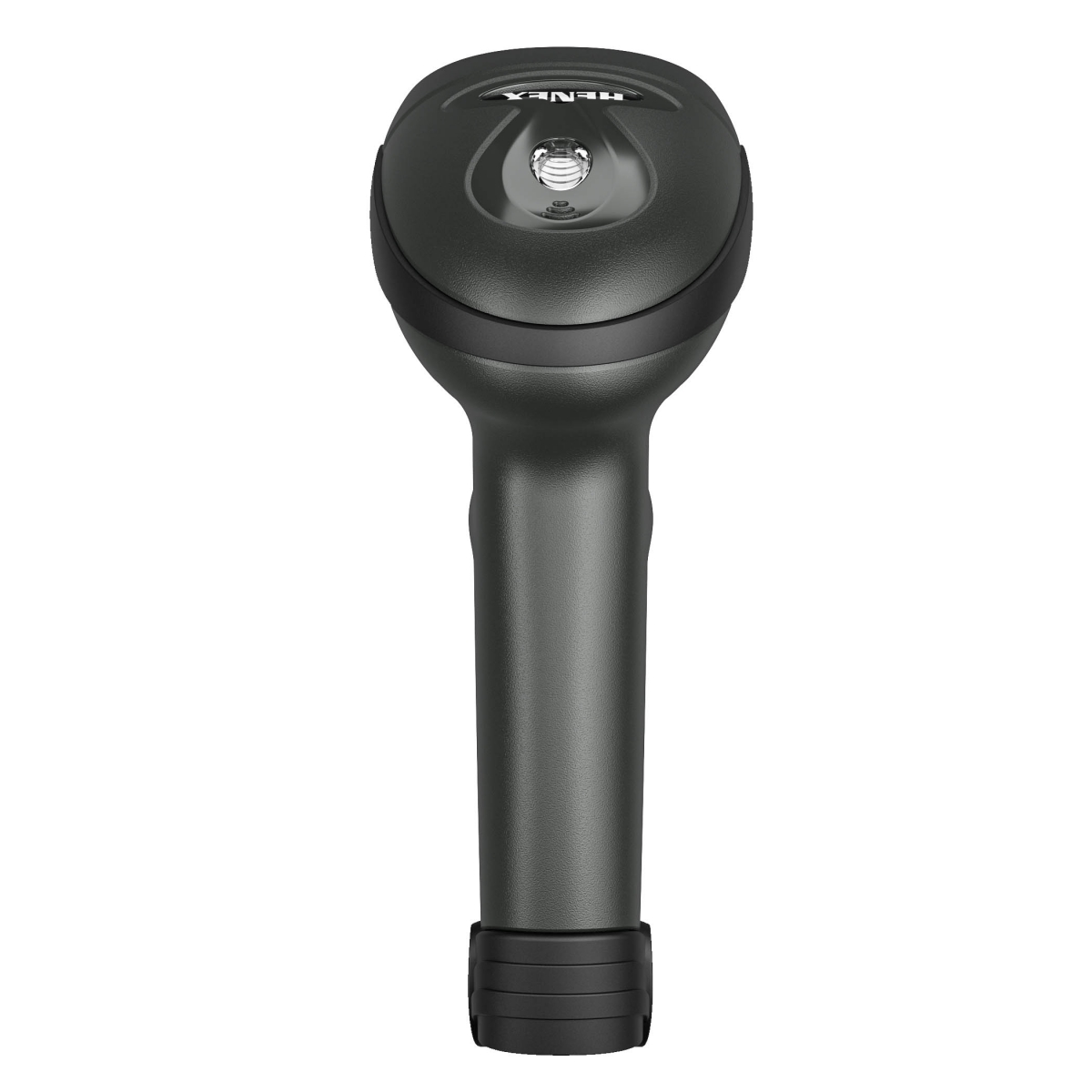
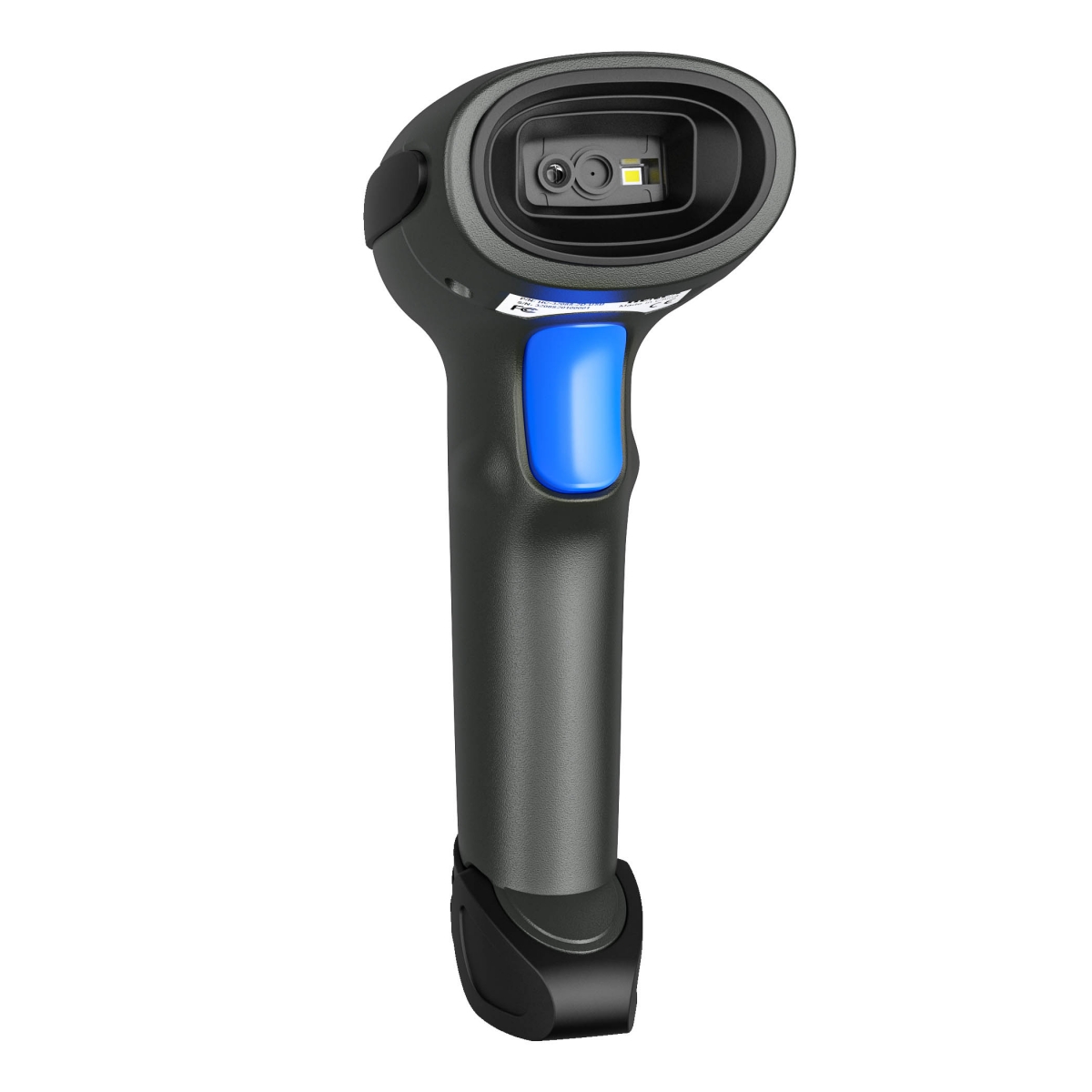
· 1MP image frame rate up to 60fps
· Support OCR ( Passport, ID card,driving license card,Visa Card etc.)
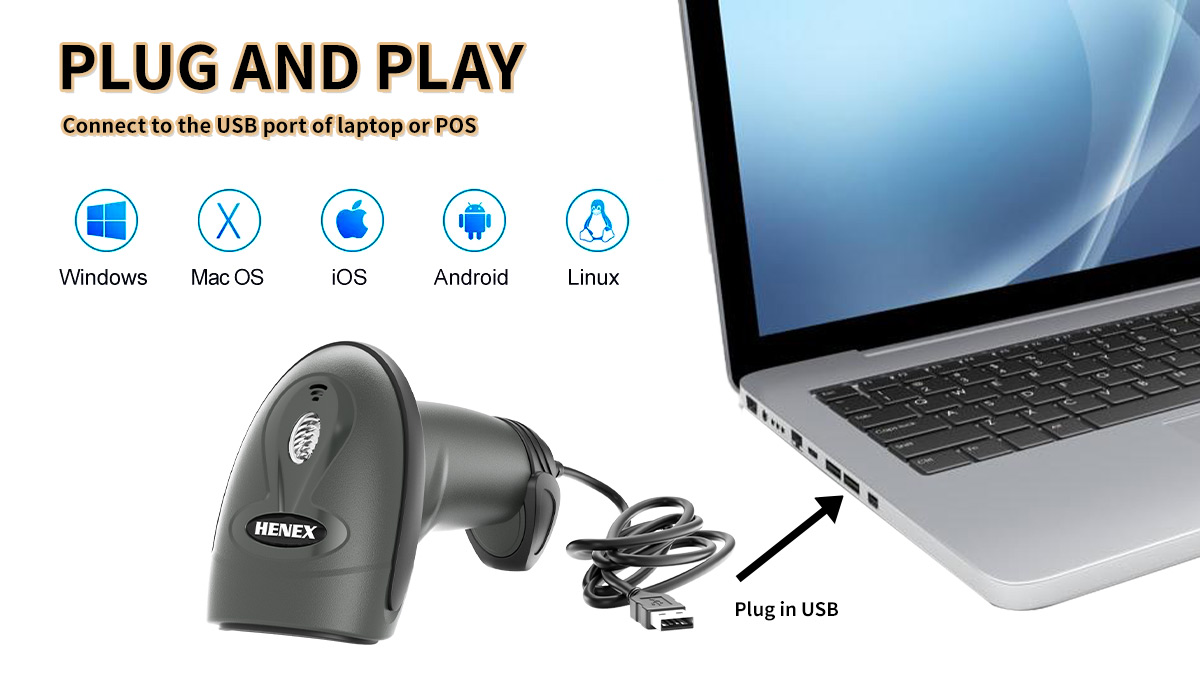
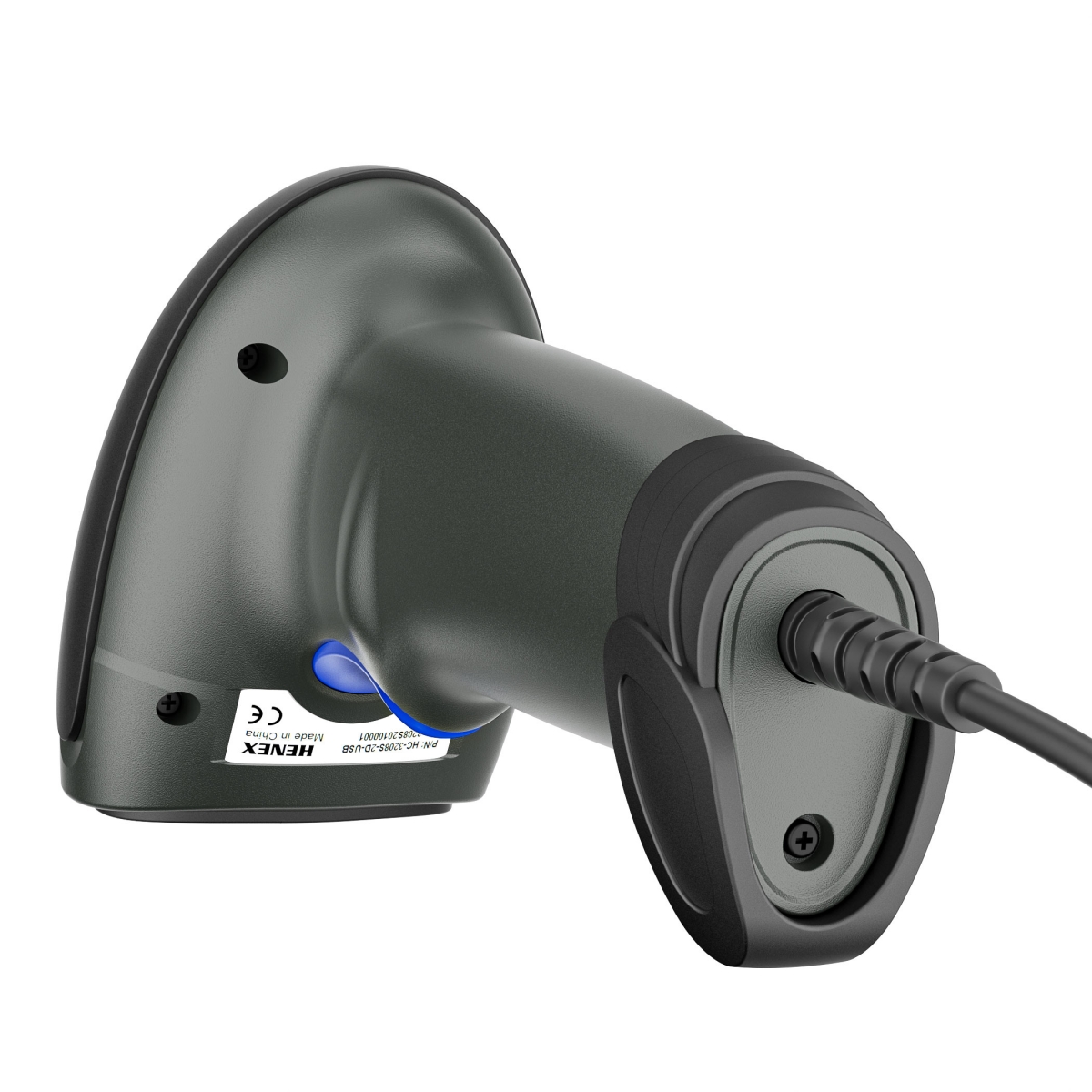
· Support USB, RS-232 and Virtual serial port.
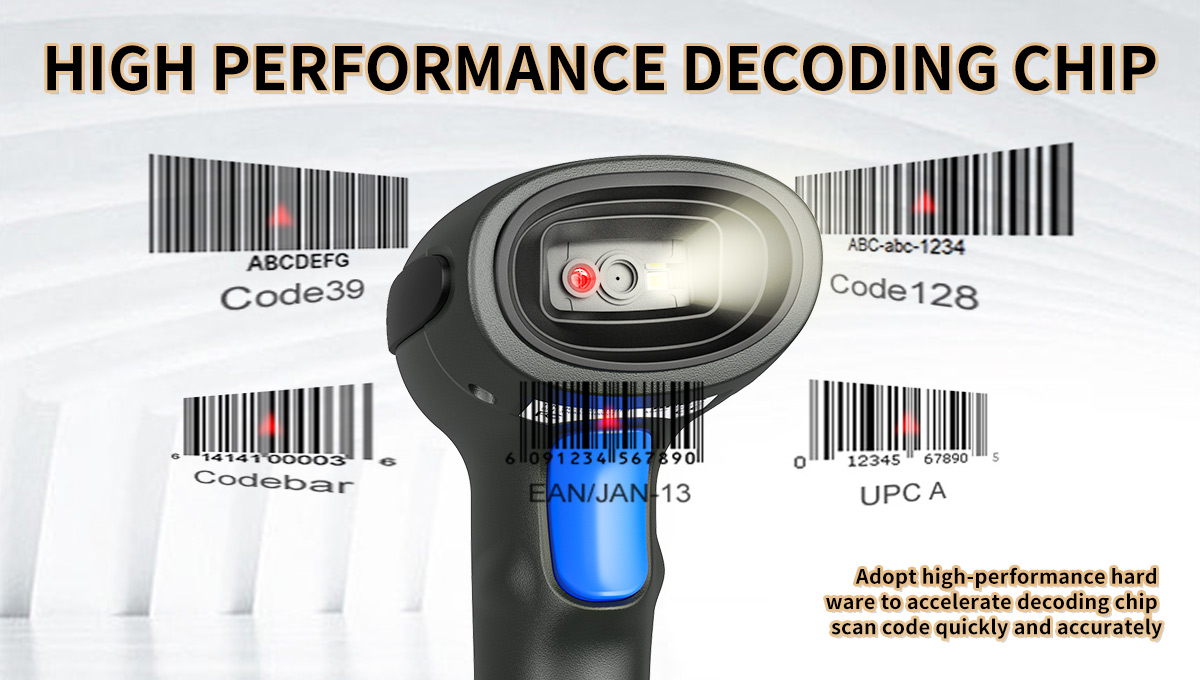
· Can read all 1D/2D/Dotcode barcode on the screen and paper
· Can work with Win XP/7/8/10,iOS,Android system
· Strong decode ability to read difficult barcodes (blurred, wrinkled,
fuzzy, low contrast,high density)
Chain store,Retail,Supermarket,Health care,Clothing,Tobacco,etc.